Return to Uzone News Portal

Just like fashion trends that constantly evolve and innovate, the world of interior design also experiences similar dynamics. Interior design trends continuously change, develop, and even recycle old concepts with a fresh twist.
As a result, a landscape of aesthetics that is always interesting and full of surprises is created, where new ideas emerge and classic styles are given contemporary interpretations. One of the most recent trends to emerge is Japandi Style, known as a blend of Japanese and Scandinavian design.
The Philosophy Behind Japandi Style
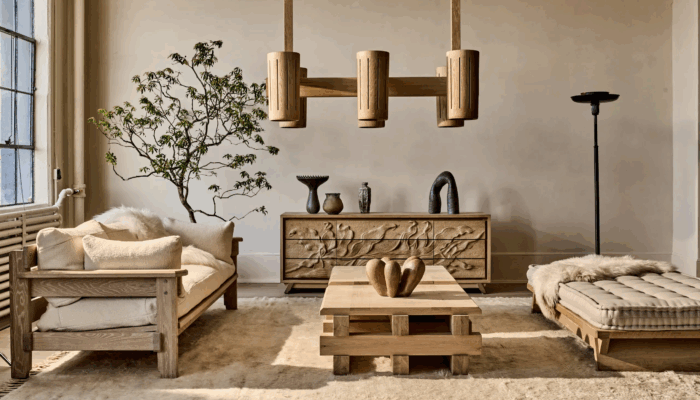
Japandi’s popularity has been growing alongside the fusion of these two cultures, which has actually been intertwined since the mid-20th century. Experts describe it as a combination of two “less-is-more” cultures—Japan’s traditional focus on natural materials and tranquility, and Scandinavia’s love of minimalism and coziness.
Japandi style is deeply rooted in two powerful philosophies: the Japanese wabi-sabi and the Scandinavian hygge. Wabi-sabi teaches us to find beauty in imperfection, while hygge emphasizes comfort and warmth.
At its core, Japandi style reflects a profound appreciation for simple beauty, minimalism, and natural elements. This concept invites us to value aesthetics in all aspects of daily life, through both artistic pieces and functional objects.
Today, this fusion has evolved into an aesthetic of its own that celebrates simplicity, natural materials, and craftsmanship. Japandi’s minimalism goes beyond simply reducing clutter—it’s about highlighting the beauty in function.
Key Elements of Japandi Style
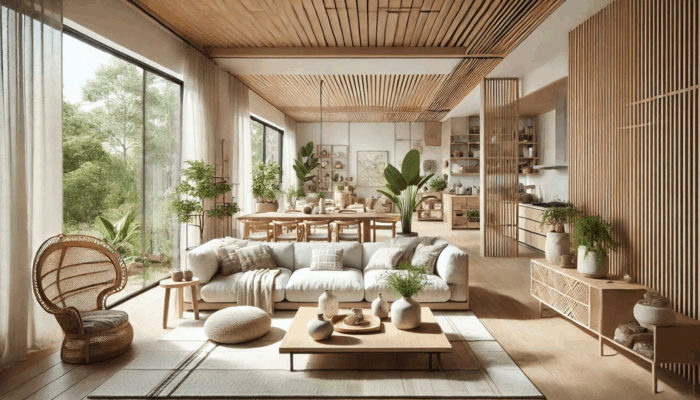
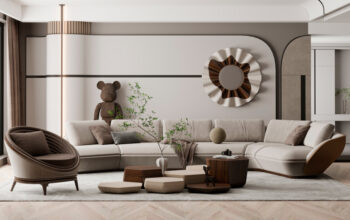
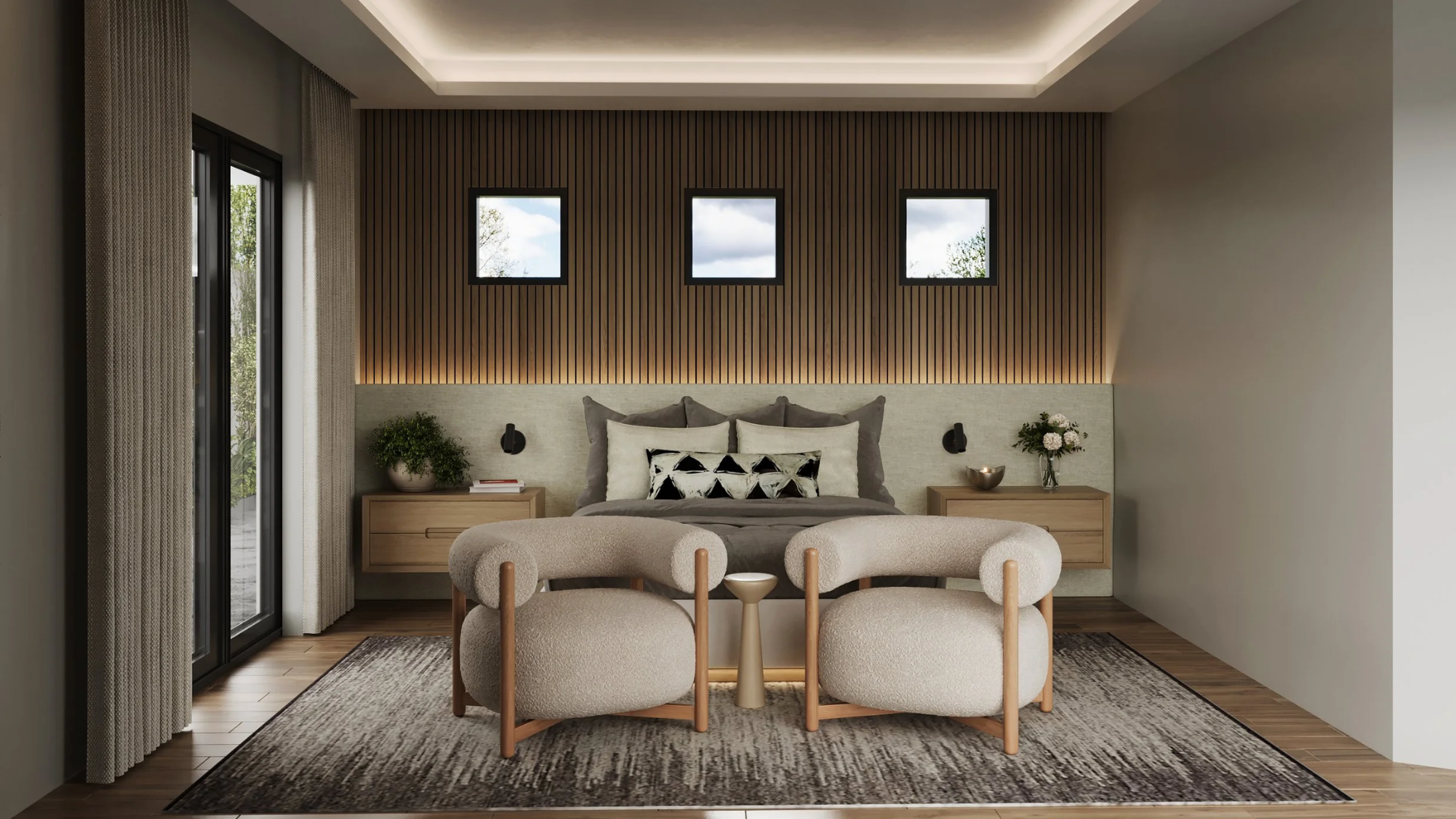
Embracing Japandi design for your home can be an ideal choice if you’re looking for a more peaceful and harmonious atmosphere without sacrificing functionality. With a neutral color palette, simple yet elegant furniture, and the use of natural materials, this design creates a space that is both comfortable and stylish.
Some key characteristics that make Japandi Style easy to identify include:
Use of Natural Materials
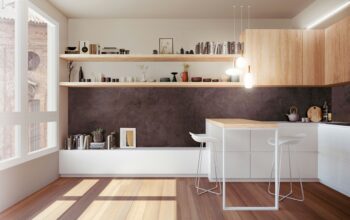
Japandi style—whether in interior or exterior design—prioritizes the use of natural materials. You’ll often find solid or engineered wood with a natural finish. In addition, other natural elements such as green plants are frequently incorporated to create harmony. The natural colors of wood and plants are known to evoke a fresh, warm, and soothing ambiance.
Neutral Color Palette
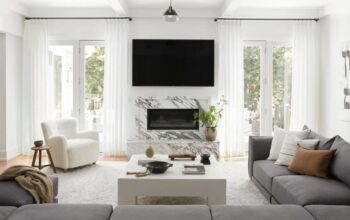
Japandi interiors are dominated by neutral colors such as white, brown, gray, and ivory. This choice is intentional, as these colors reinforce a sense of calm and peace, creating a relaxing home environment and the perfect place to unwind. These neutral tones are typically applied to walls, furniture, and décor items.
Minimalist Furniture
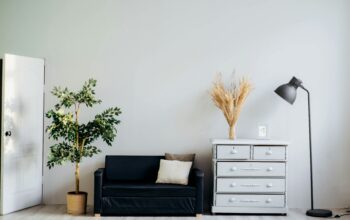
In line with its minimalist style, Japandi design doesn’t focus much on decorative elements. Instead, it prioritizes the use of minimalist furniture and accessories. These key pieces are characterized by clean and simple forms while maintaining functionality. This way, the home looks beautiful without appearing excessive.
Why People Love Japandi Style
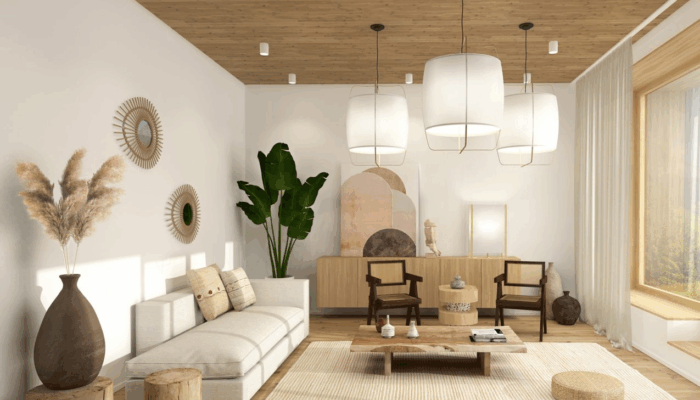
More than just a trend, Japandi represents a mindset. It celebrates a laid-back lifestyle, meaningful objects, and design that supports daily living rather than distracting from it.
Simply put, Japandi Style is a blend of Japanese minimalist beauty and the natural warmth of Scandinavian design. This trend not only creates a clean and modern look but also radiates warmth and comfort for everyone inside the space.
Moreover, Japandi emphasizes the importance of embracing nature and bringing natural elements into the home’s interior, resulting in a peaceful and harmonious living space.
Unlike traditional minimalism, Japandi offers a warmer, more organic take on minimalism. While conventional minimalism can sometimes feel cold or sterile, Japandi introduces texture, natural materials, and soft colors that make a space feel alive and inviting.
In conclusion, trends may come and go, but Japandi decor touches on something more timeless—a collective desire for peace, clarity, and meaningful living. In a fast-paced world, sometimes design is what helps us slow down.