Return to Uzone News Portal

Fashion is more than just clothing. It is a visual language that transcends borders, connecting people from diverse backgrounds, and serving as a mirror that reflects society’s values, trends, and aspirations. The evolution of fashion over time continues to highlight human creativity and the ever-changing influence of culture.
Fashion is not limited to garments alone—it encompasses every element, from accessories and makeup to footwear and hairstyles, all working together to create a complete look. Designers use runway shows to present their latest collections, setting trends that ripple into the mainstream and influence how people dress worldwide.
Fashion as a Cultural Language
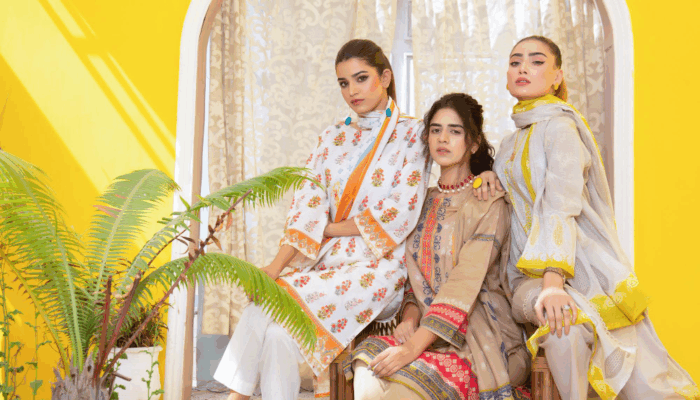
In today’s world of cultural diversity and complexity, fashion emerges as a dynamic form of diplomacy. Global runways act as canvases where designers tell stories, celebrate cultural richness, and weave traditions into the fabric of modernity.
Fashion diplomacy is a reflection of cultural exchange. Through the art of dress, cultural elements merge, bridging divides and strengthening global connections. Fashion weeks, once simply showcases of style, have evolved into platforms where cultural heritage is celebrated collectively.
Fashion campaigns and runway shows hold the power to shape public opinion and global perception. They also provide alternative avenues of diplomacy, especially when traditional channels are met with skepticism.
This evolution underscores fashion’s role in enriching cross-cultural dialogue. Ethical fashion practices are no longer limited to questions of morality—they have become essential elements of diplomatic discussion. Collaborative efforts in ethical fashion not only strengthen ties between nations but also highlight shared values and collective goals.
The Role of Fashion Capitals in Shaping Trends
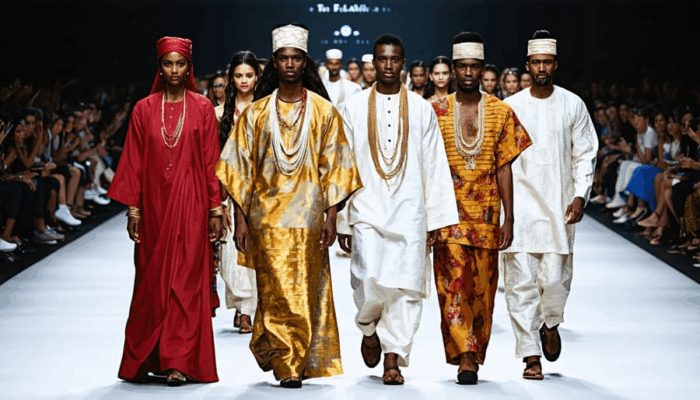
Once again, fashion is not just clothing—it is a reflection of culture. By observing how global fashion trends move, we can understand how the world communicates through style.
Fashion capitals serve as centers of creativity, innovation, and culture. These cities host major fashion houses, iconic fashion weeks, and visionary designers unafraid to push boundaries. They act as launchpads for new trends that ripple across the globe.
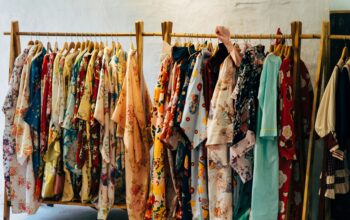
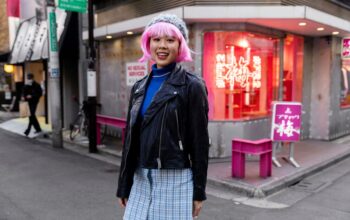
Tokyo has influenced global fashion through its unique streetwear culture. Japanese designers often blend traditional elements such as the kimono with modern silhouettes, creating a distinctive aesthetic. Today, Tokyo designers are increasingly exploring futuristic design.
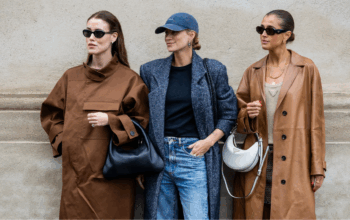
Paris is known as the birthplace of haute couture and the home of iconic houses such as Chanel, Dior, and Louis Vuitton. Parisian fashion is synonymous with simplicity and elegance—long coats, blazers, and Breton stripes are staples of its understated style.
Milan represents luxury and boldness, with fashion giants like Gucci, Prada, and Versace. Milanese craftsmanship is evident in their impeccable collections, particularly in accessories such as handbags and unique footwear.
Case Studies of Global Impact
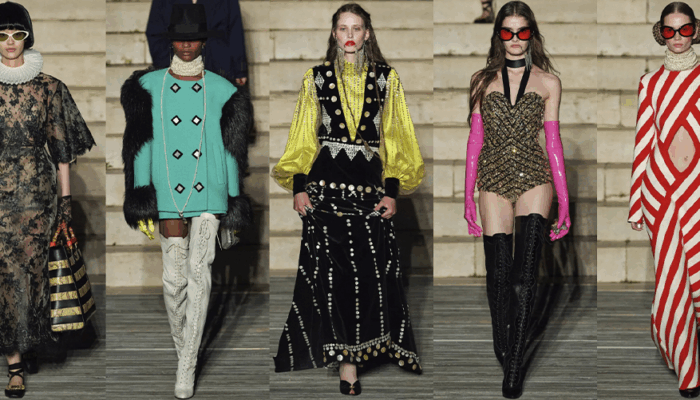
In recent decades, Asian fashion designers have captured global attention. In the 1980s, pioneers like Yohji Yamamoto, Issey Miyake, and Rei Kawakubo achieved extraordinary success in the Western fashion world by introducing Eastern philosophies and design elements.
The rise of Asian fashion has been driven largely by rapid economic growth in regions such as China, India, and Southeast Asia—especially China. This has created new opportunities for both international and local designers. Local creators are no longer confined to producing low-cost goods for the global market; they have become strong competitors to established brands, offering unique, high-quality designs.
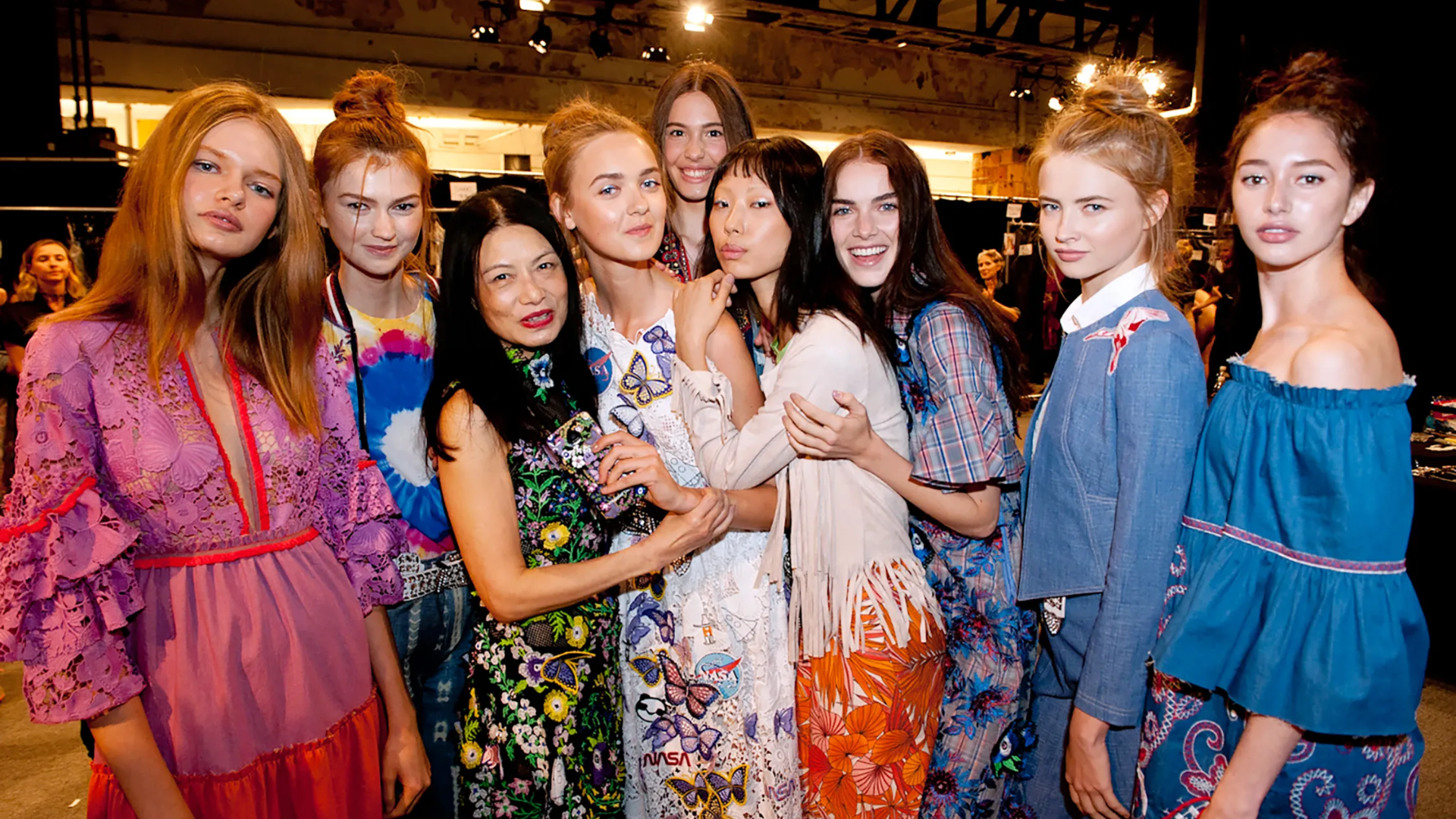
One notable figure is Vivienne Tam, a trailblazer in blending Chinese and Western aesthetics. She entered the Western fashion scene in 1995 with her Mao collection and quickly became one of the most iconic Chinese designers on the world stage. Known for her radical, innovative, and forward-thinking approach, Tam incorporated political iconography into her work.
Her designs strategically merge East and West, combining bold prints, appliqué, embellishments, and vibrant colors to create unconventional aesthetics. This clash and hybridization of cultures have become a consistent theme throughout her collections.